Young people speak out for a credible future: a new perspective on 'Development Cooperation'
September 2025, Enabel Brussels
A look back at the youth debate on development cooperation
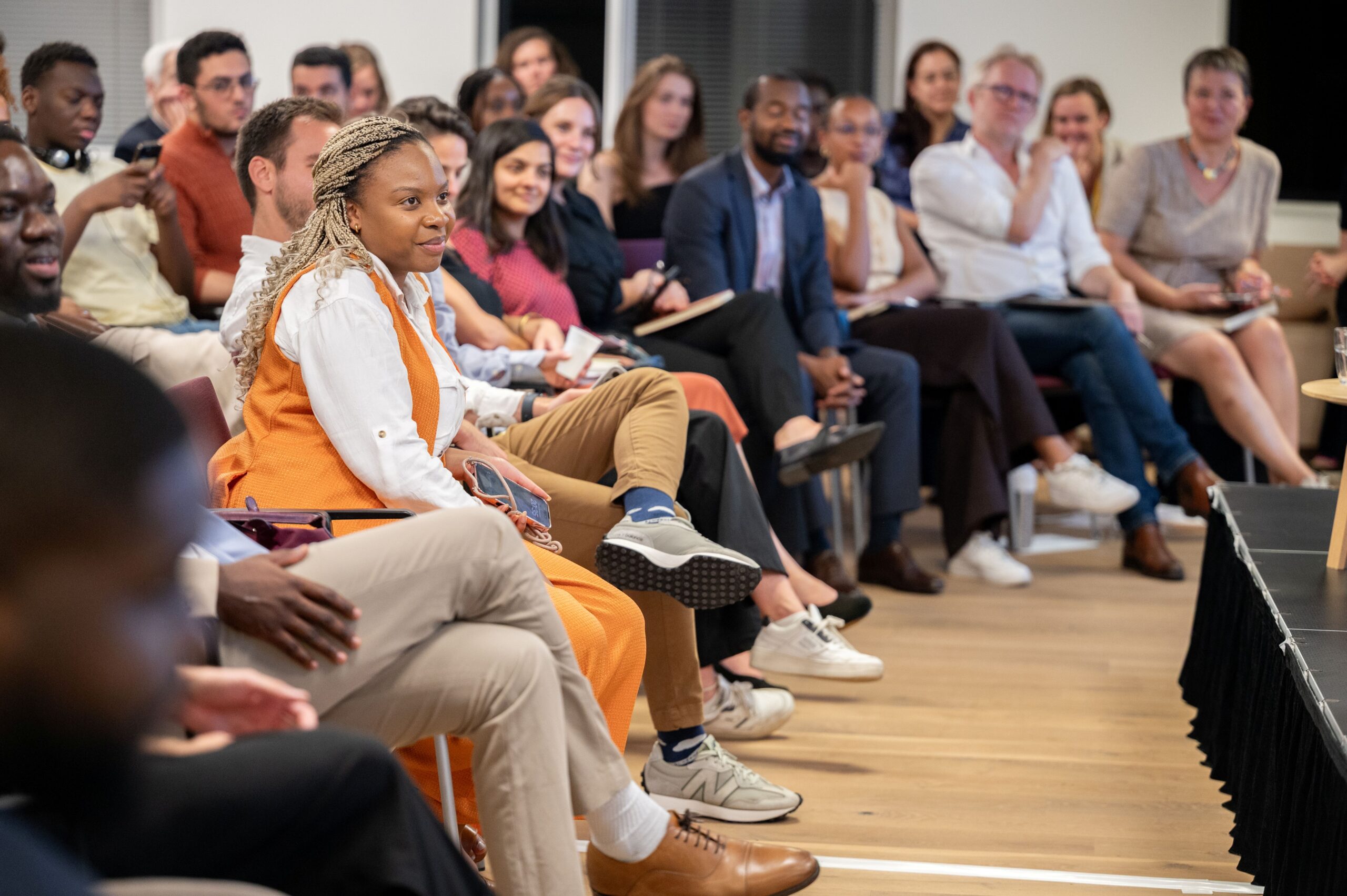
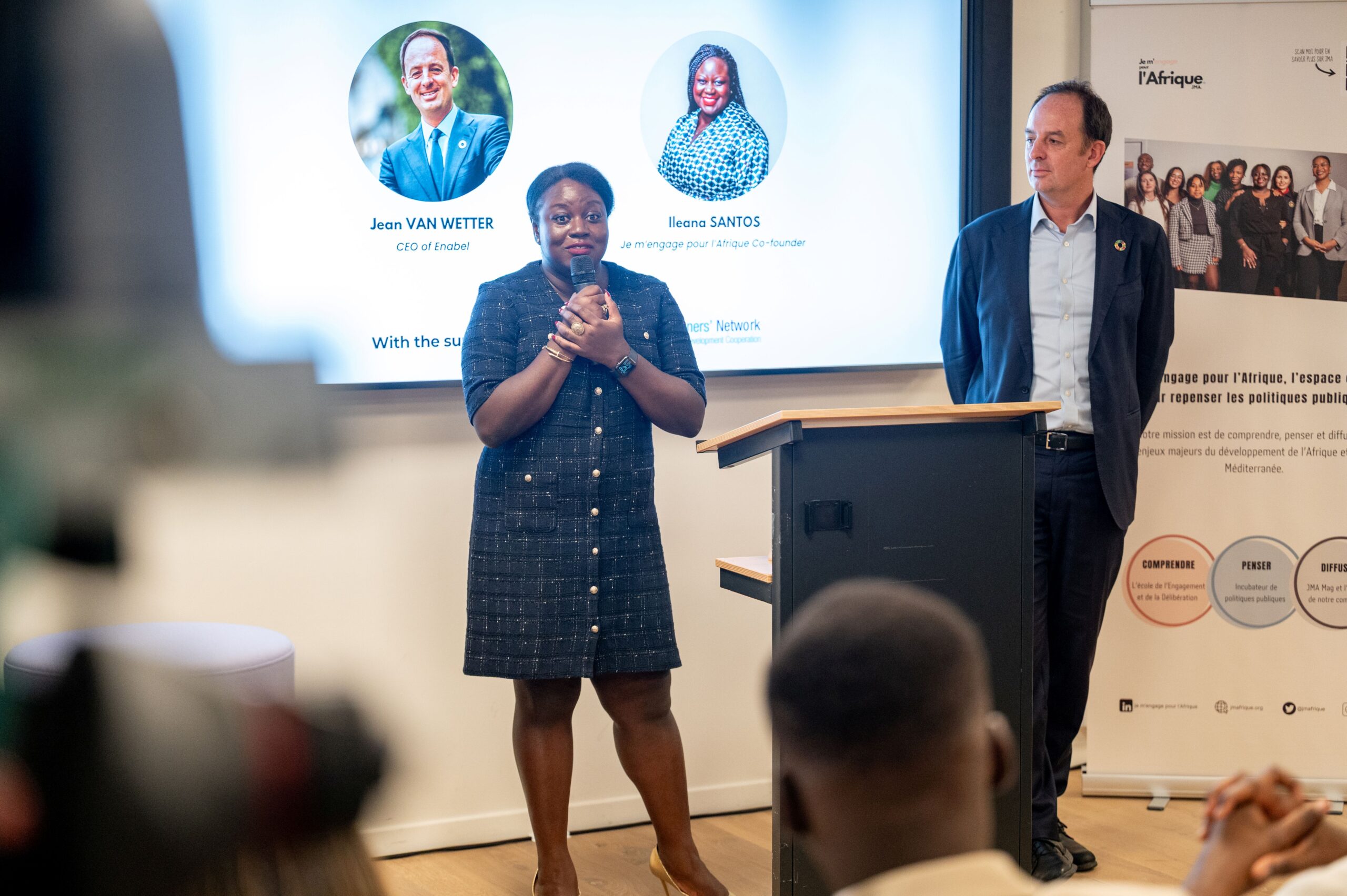
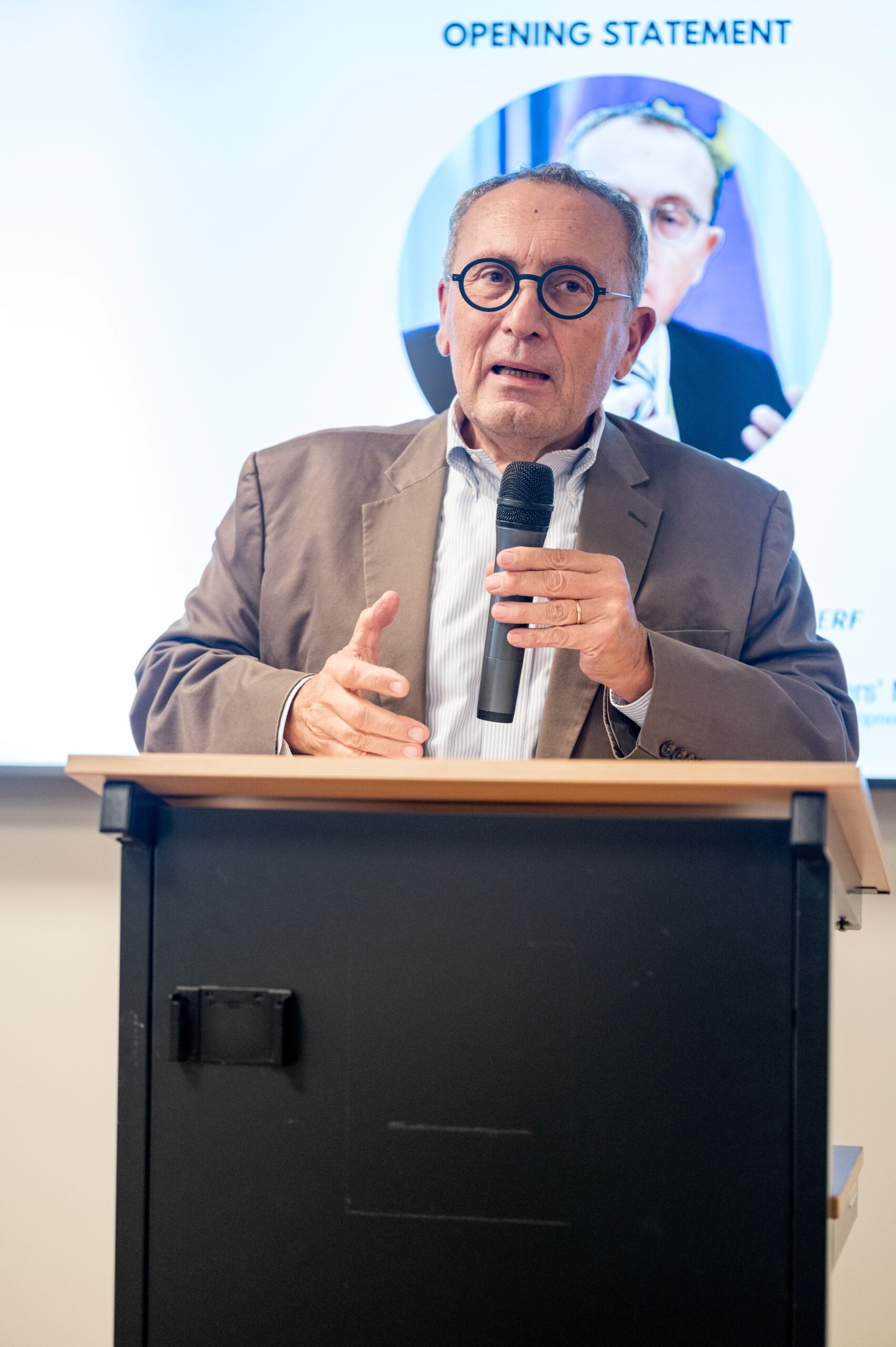
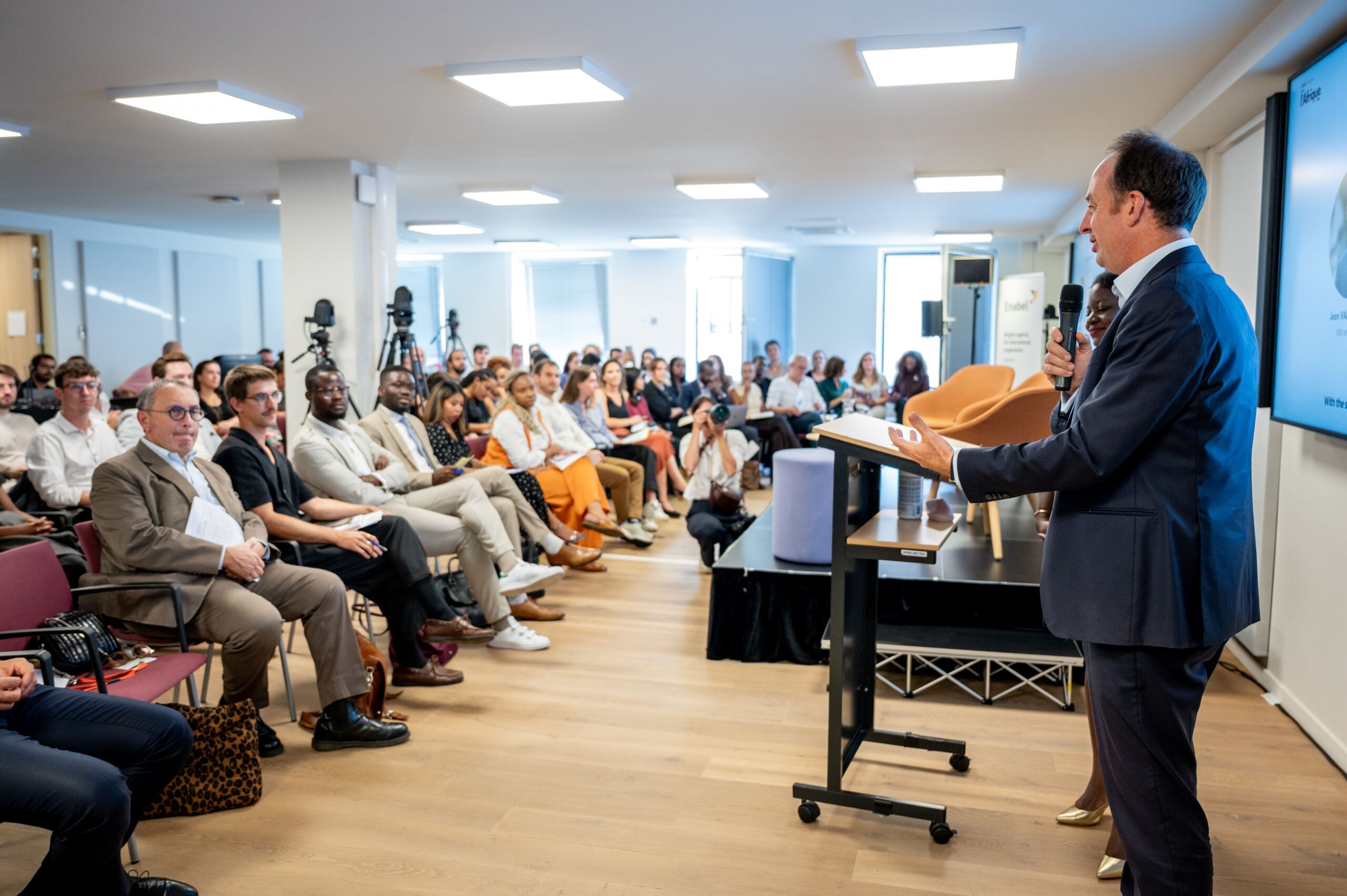
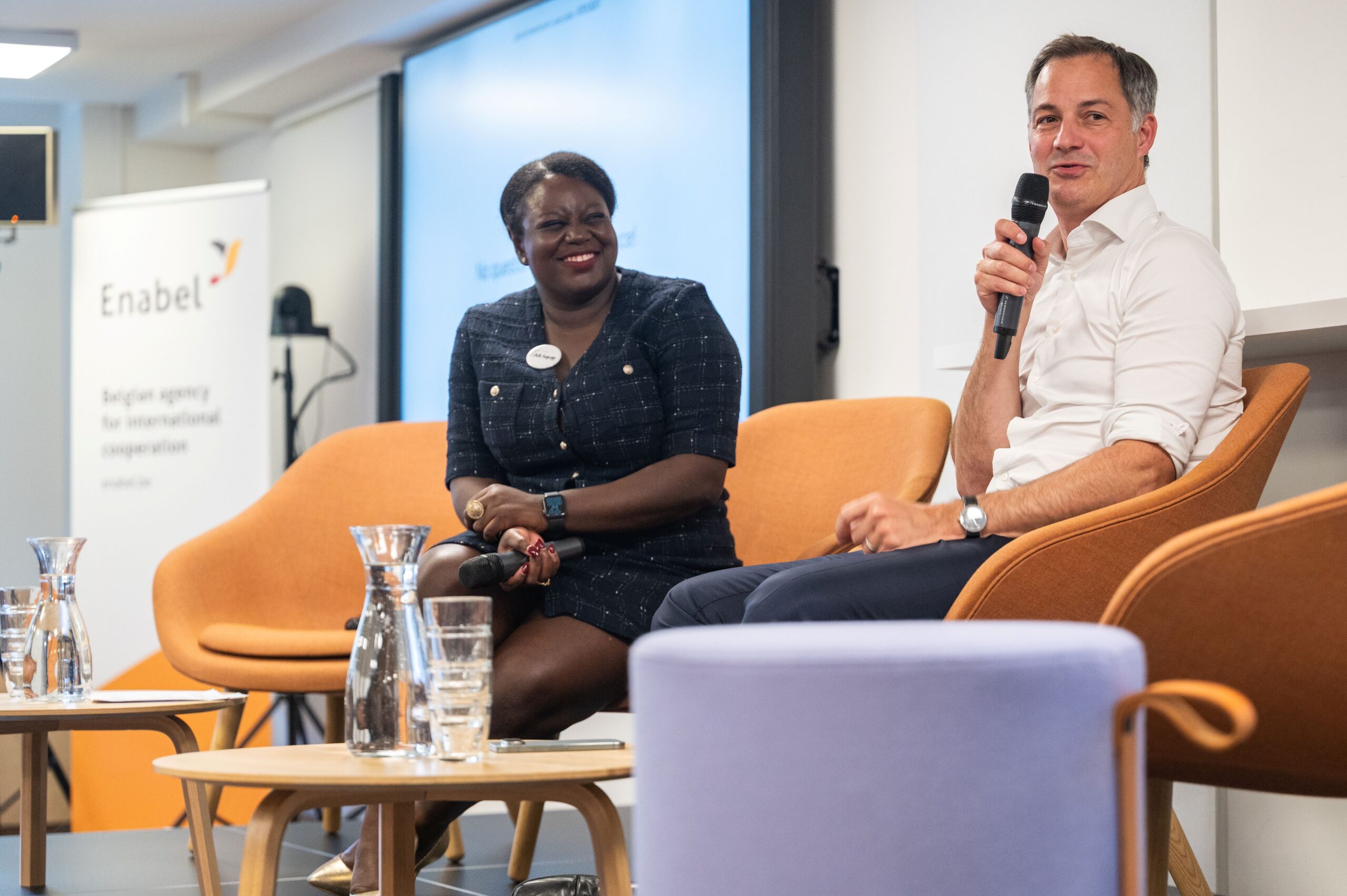
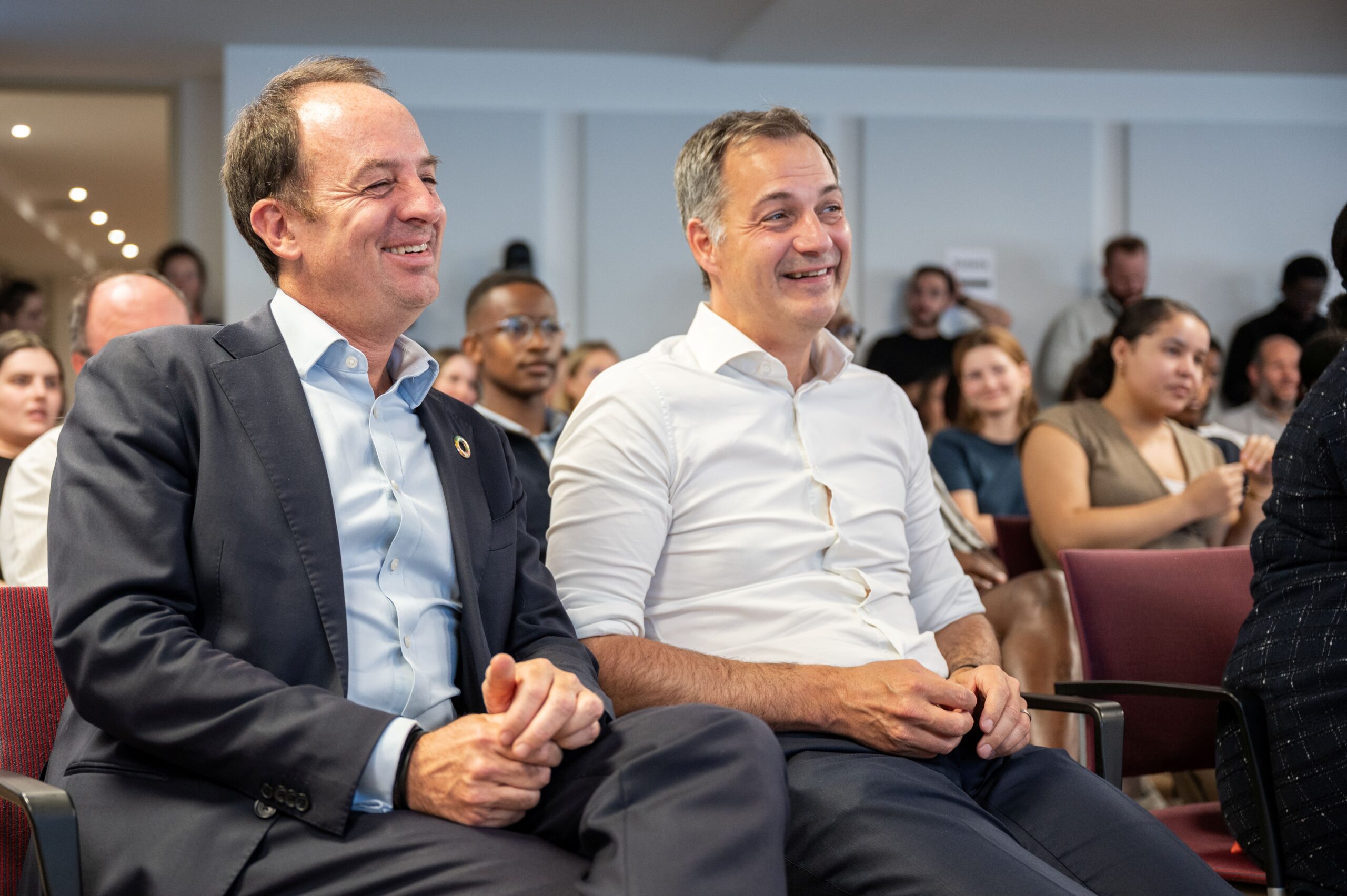
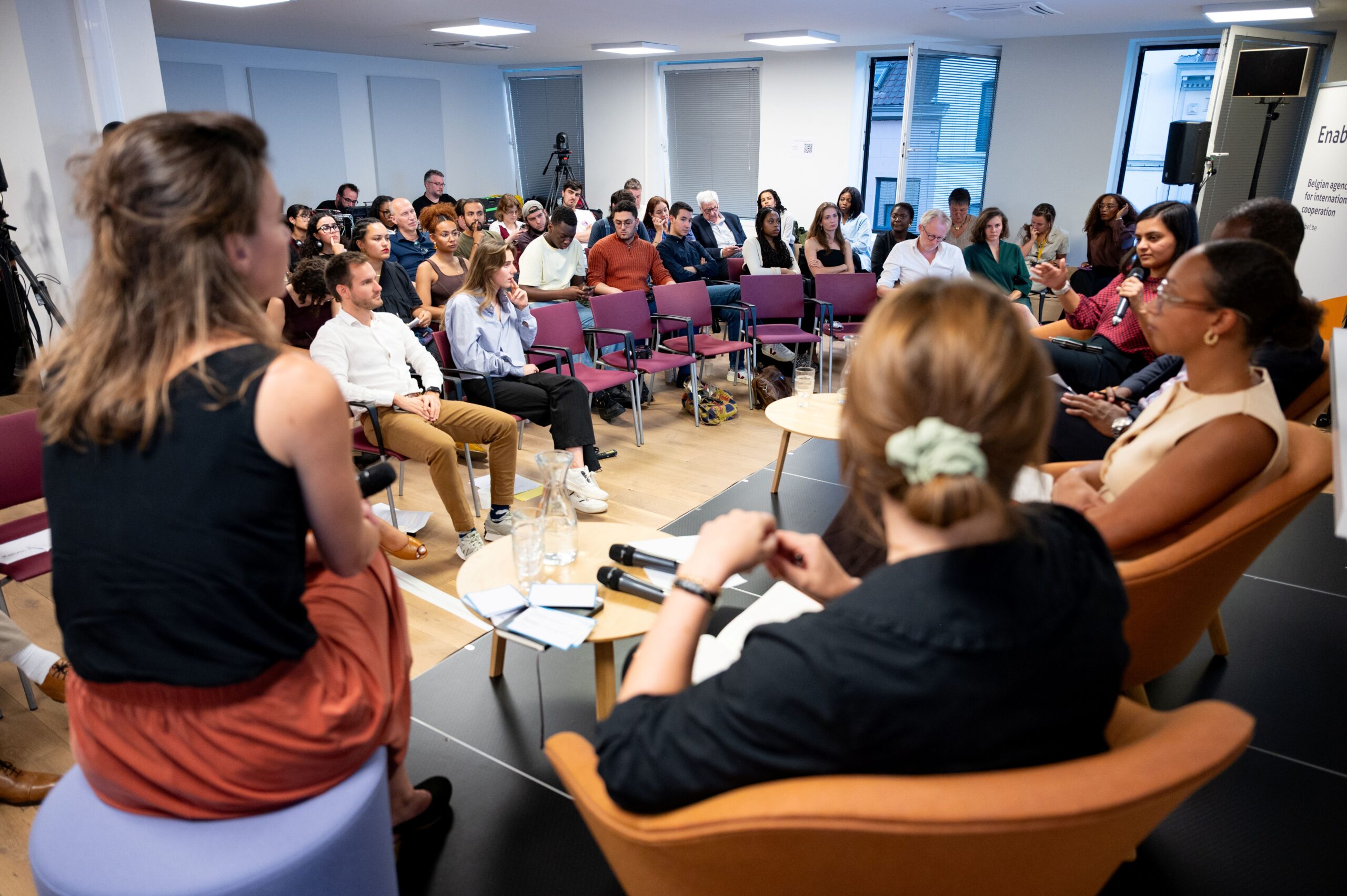
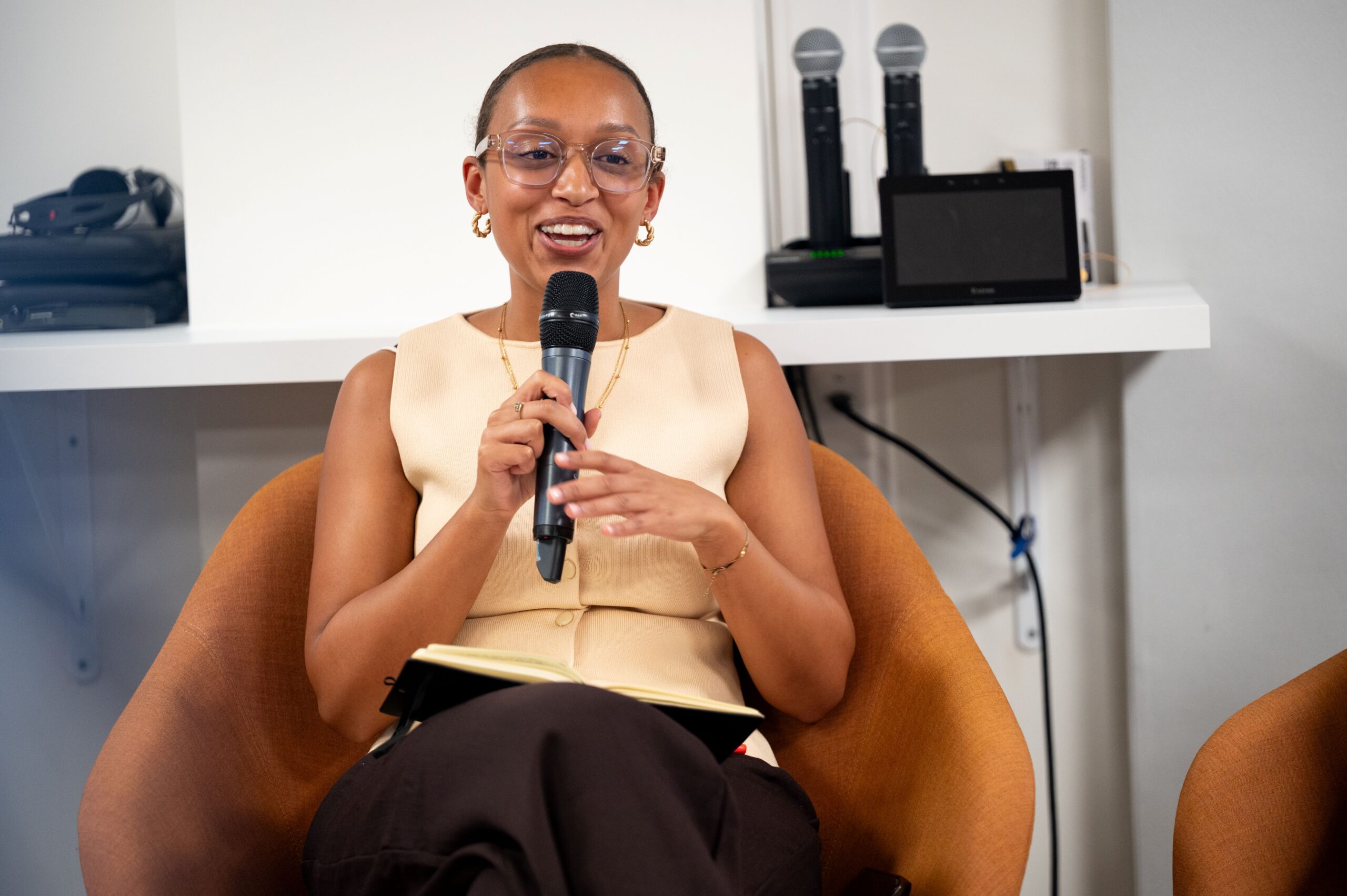
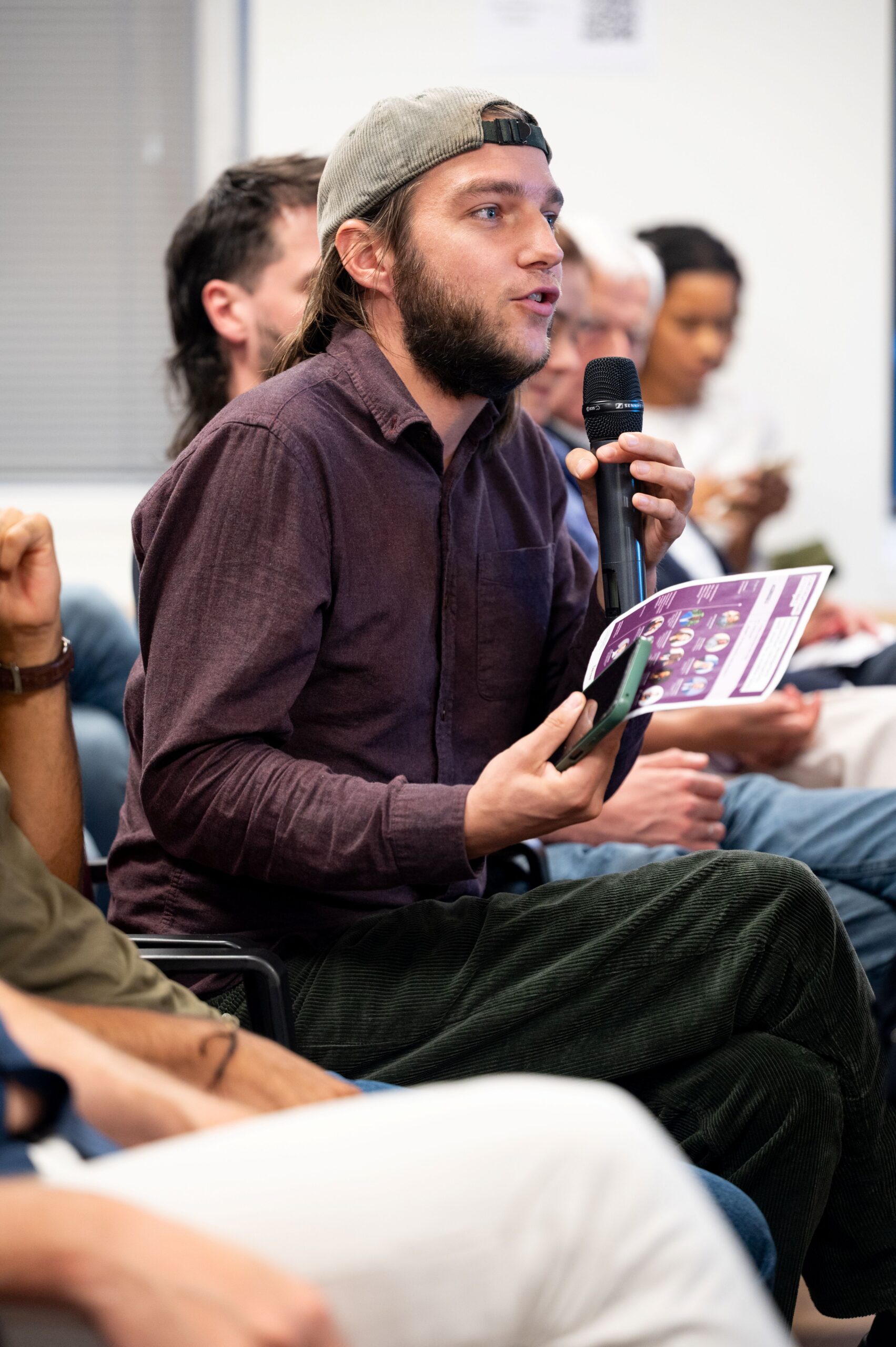
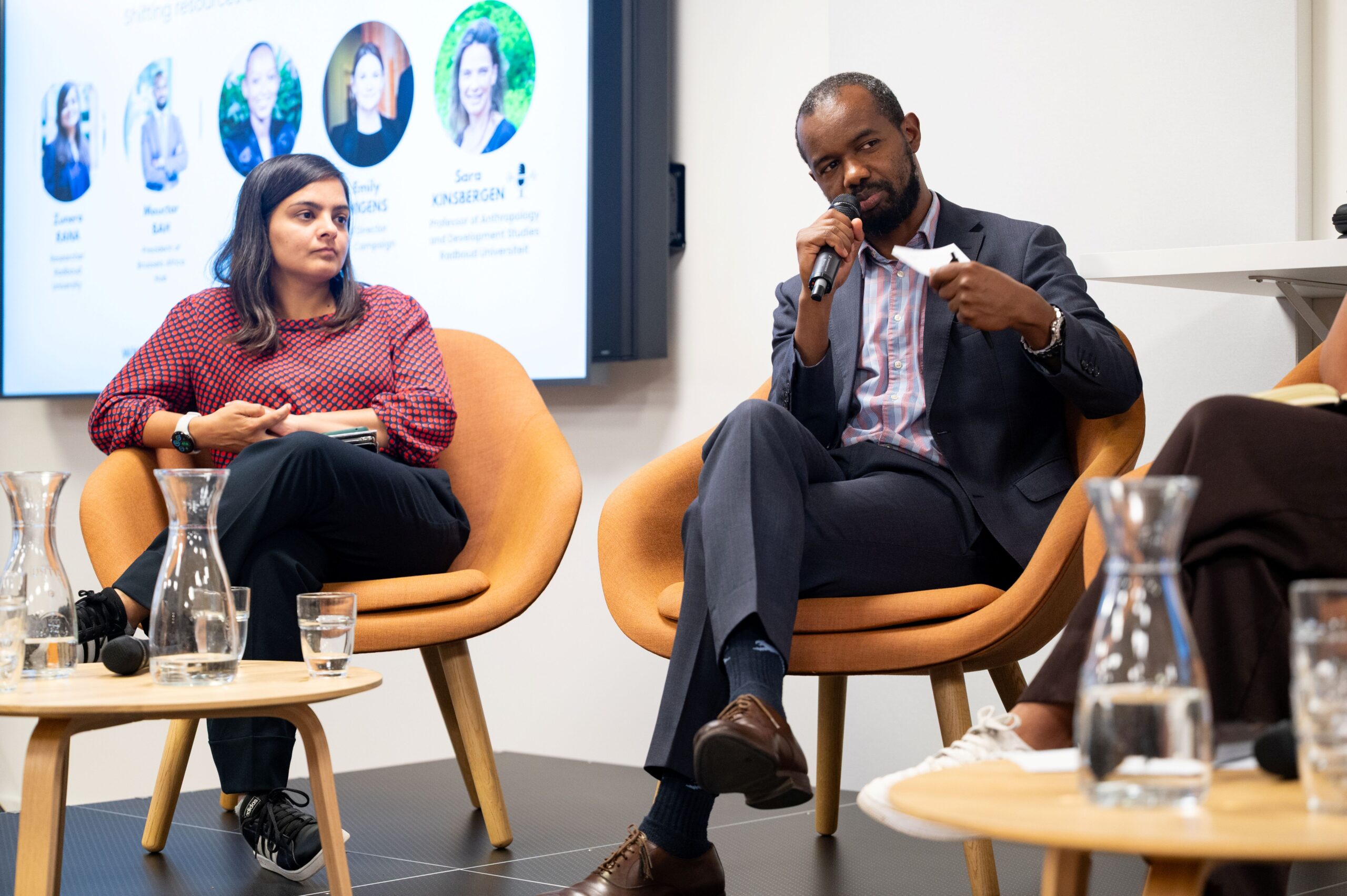
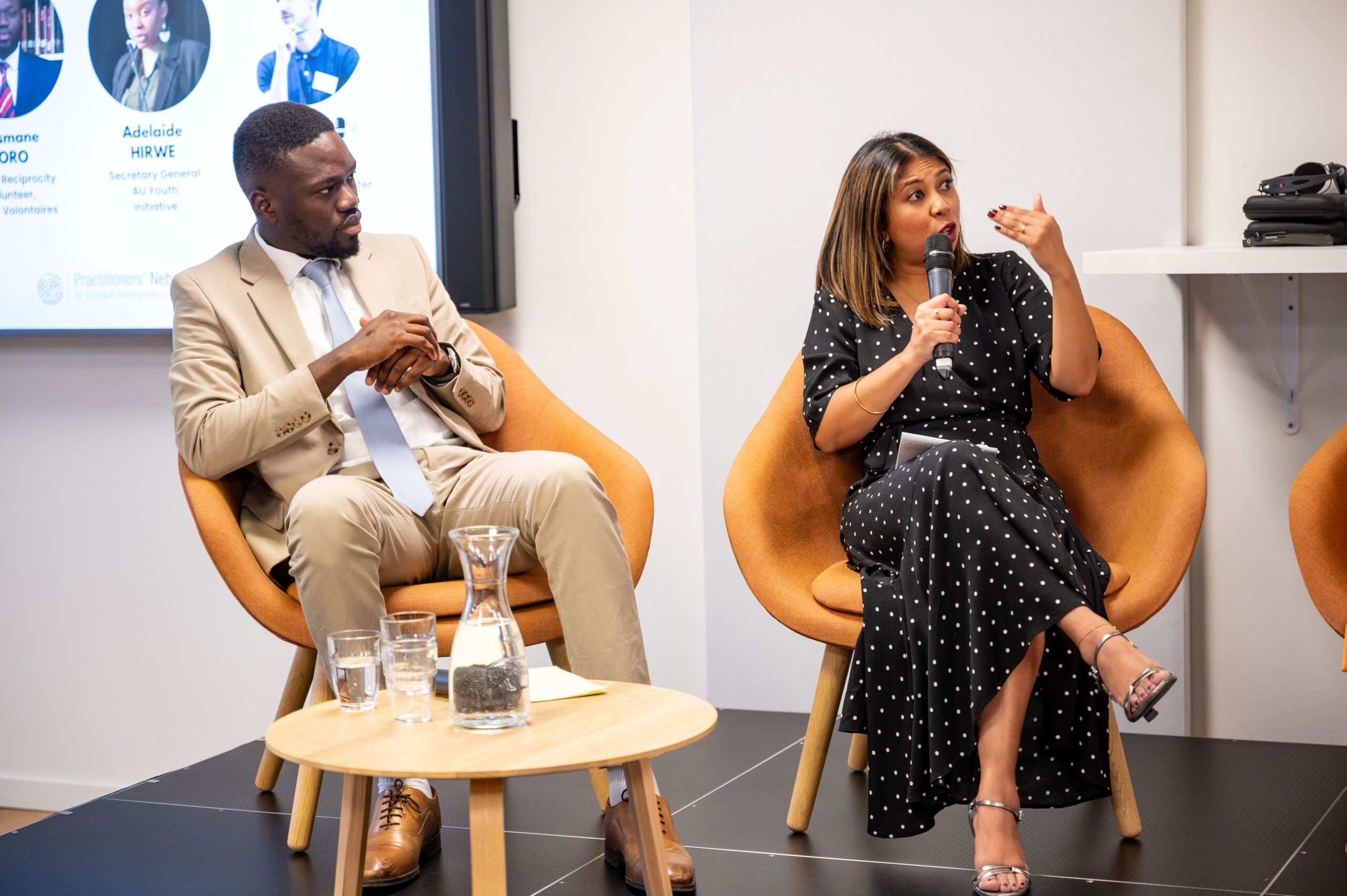
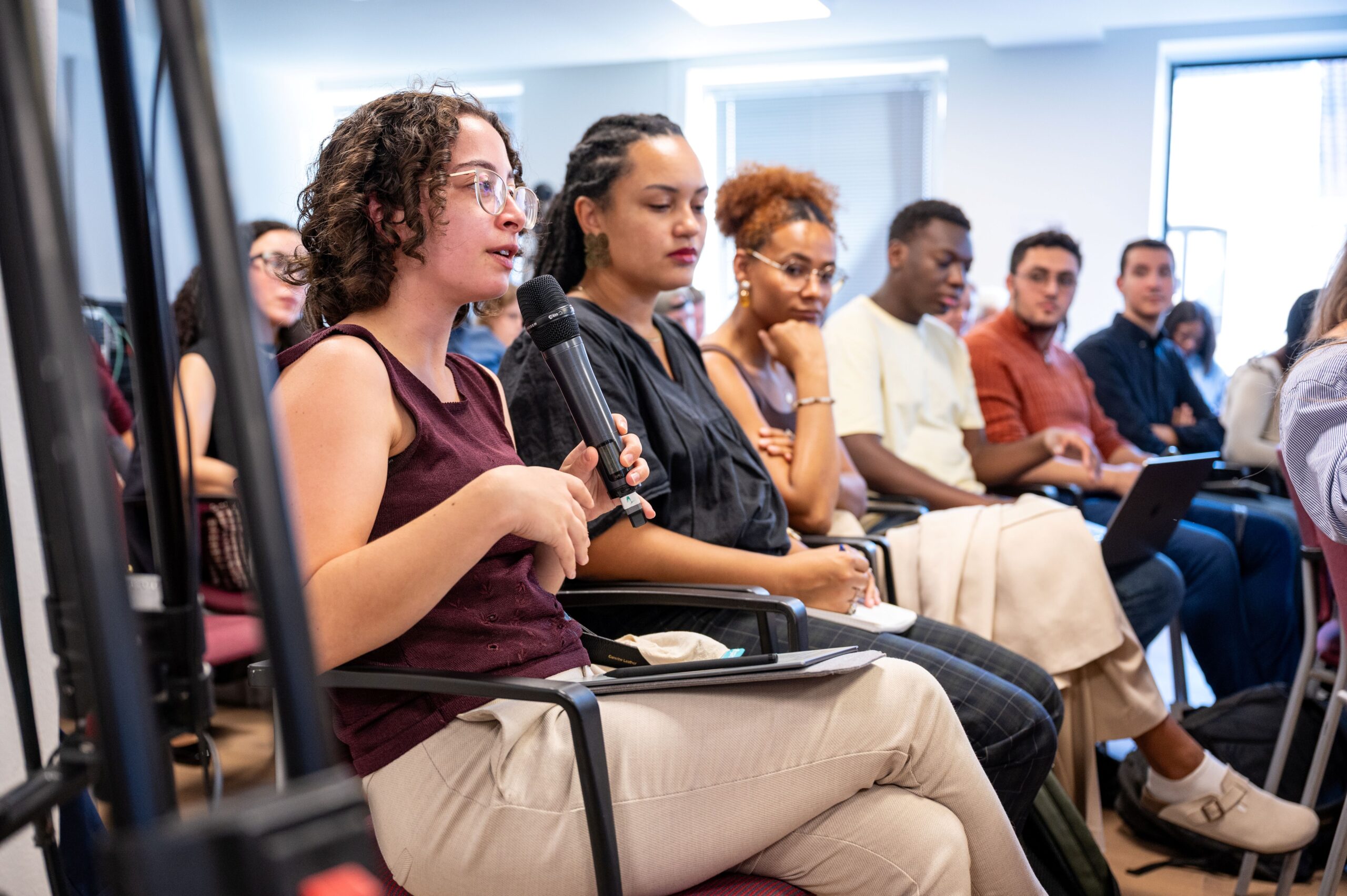
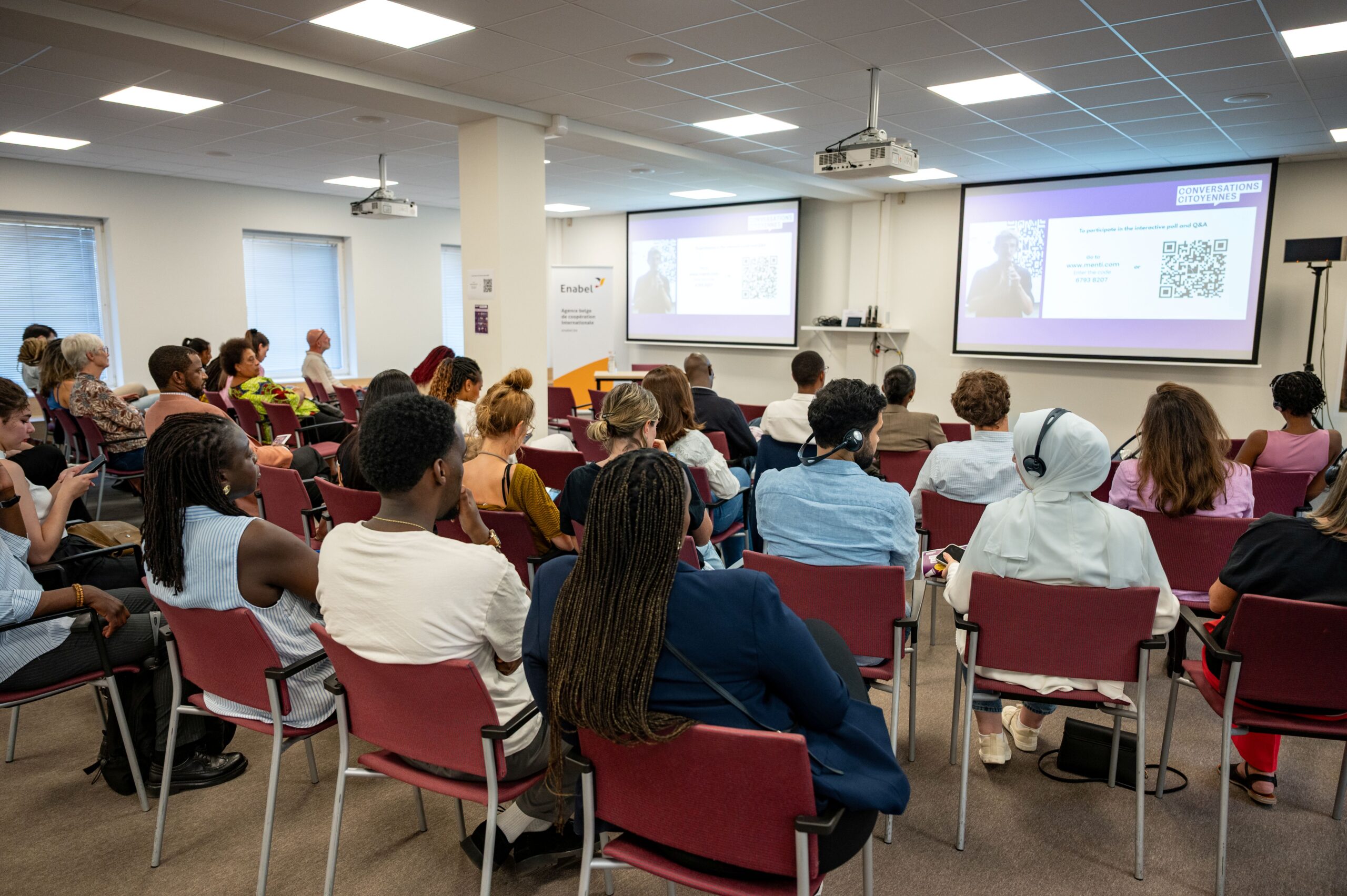
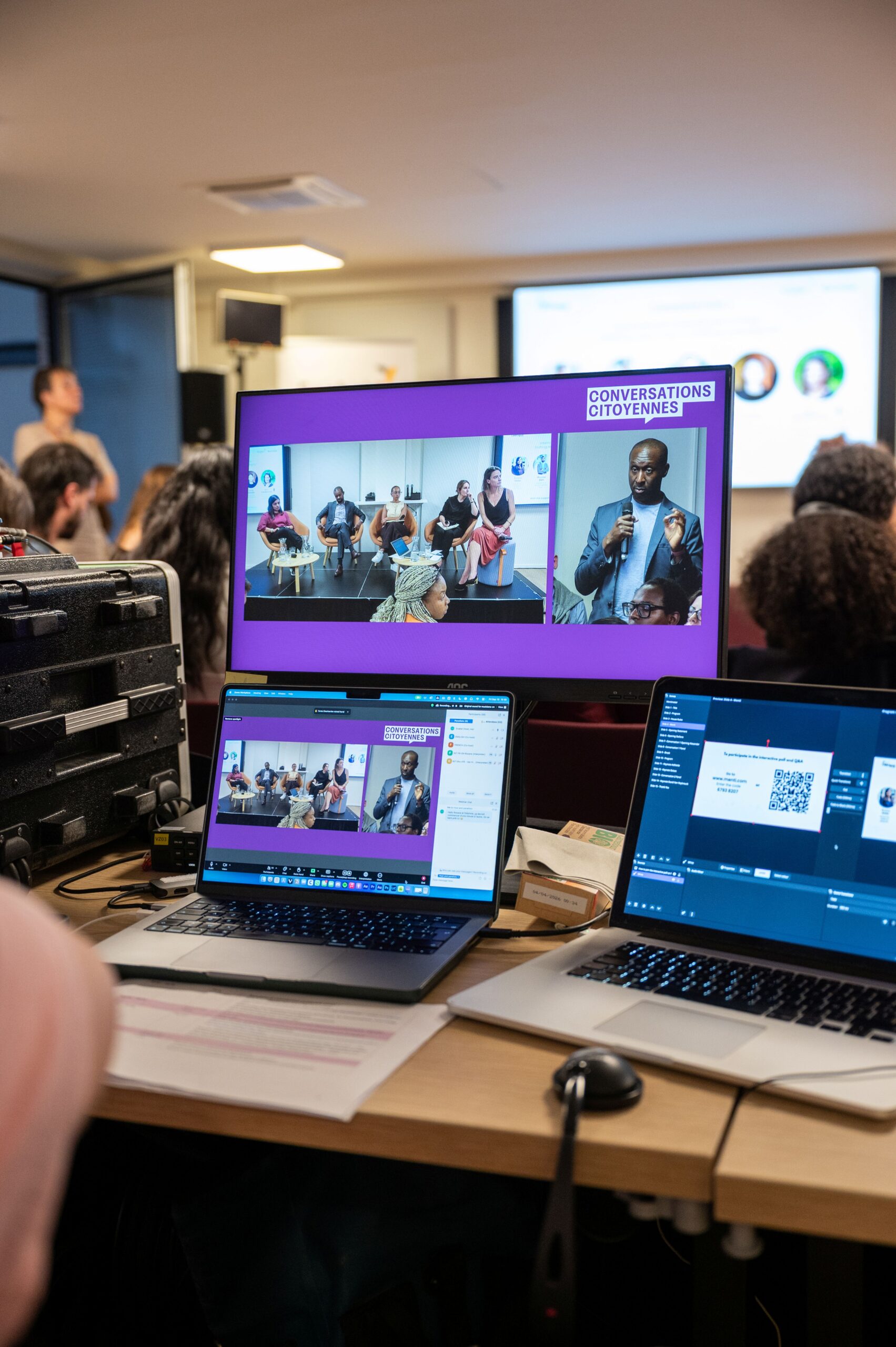
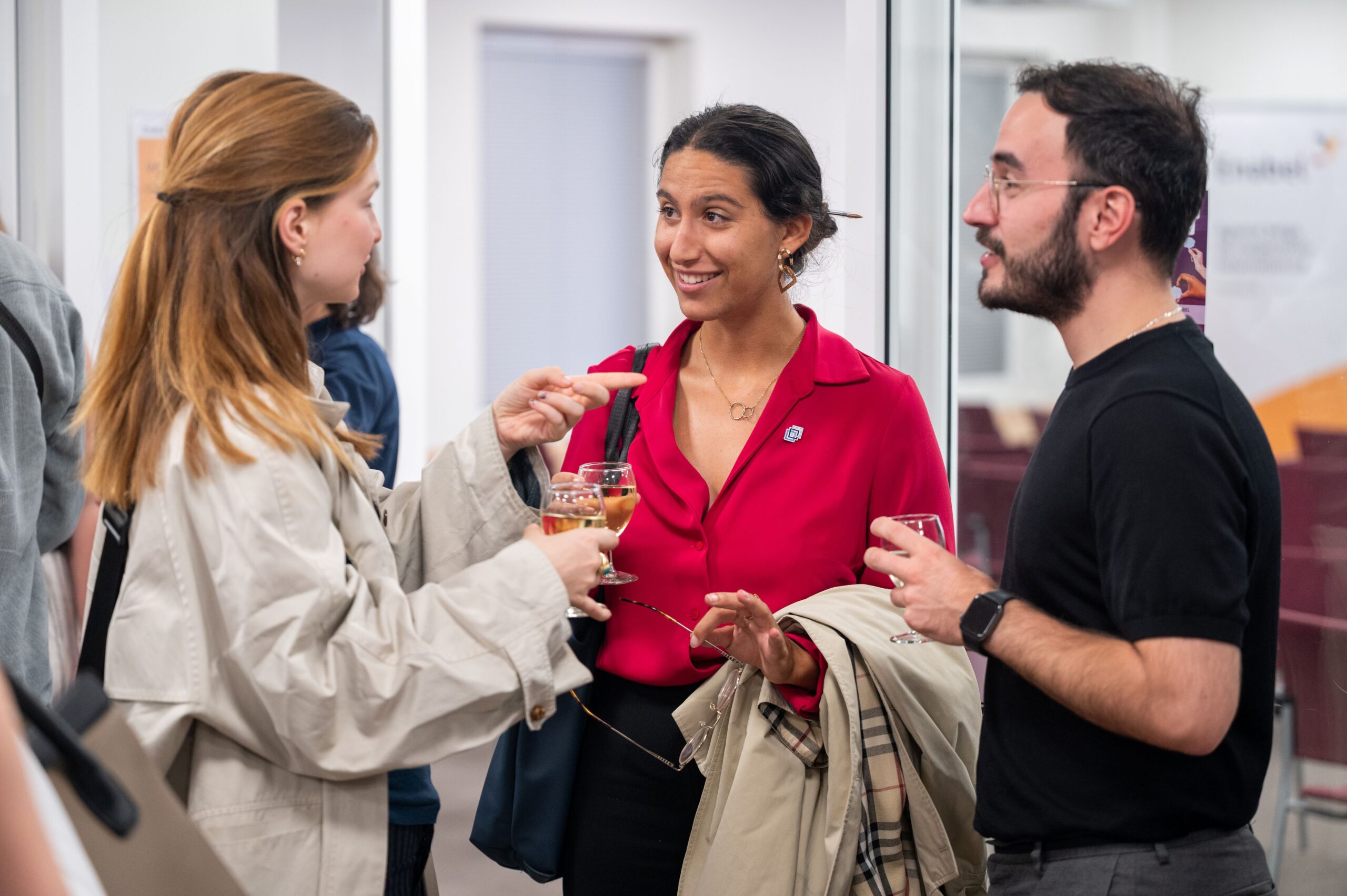
In a time of austerity and profound global challenges, a youth debate dedicated to reinventing ‘development cooperation’ was held at Enabel on September 19, 2025. With 130 participants on site and 100 online, the initiative brought together young professionals, entrepreneurs, students, experts, politicians and curious citizens. The central question was: what are the current trends in international ‘development cooperation’, what are their causes and consequences, and what does the future look like? Let’s look back at the youth debate, a collaboration between BeGlobal, Enabel, and Je m’engage pour l’Afrique.
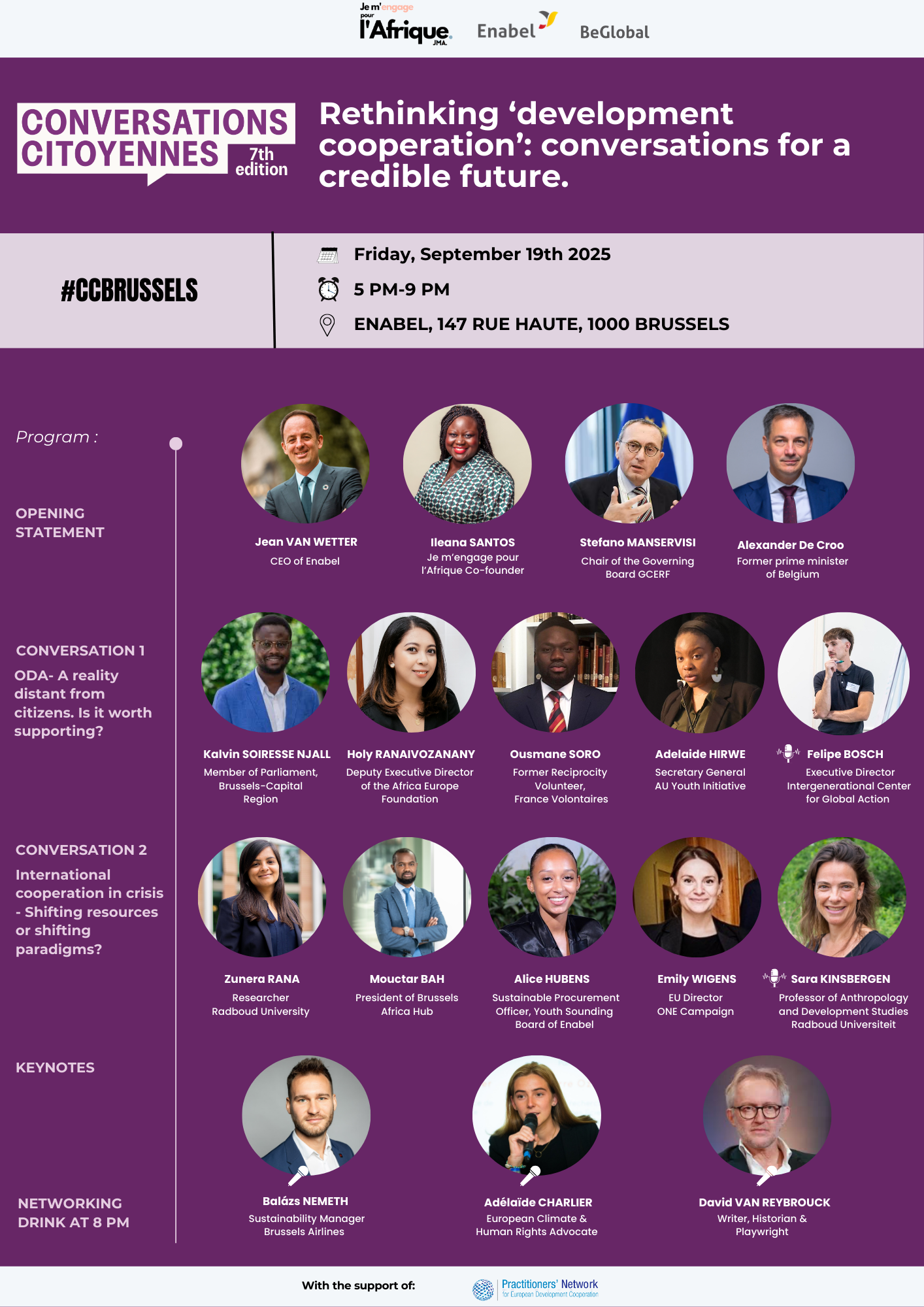
The programme of the youth debate
The program consisted of a mix of diverse keynotes and two more in-depth panel discussions.
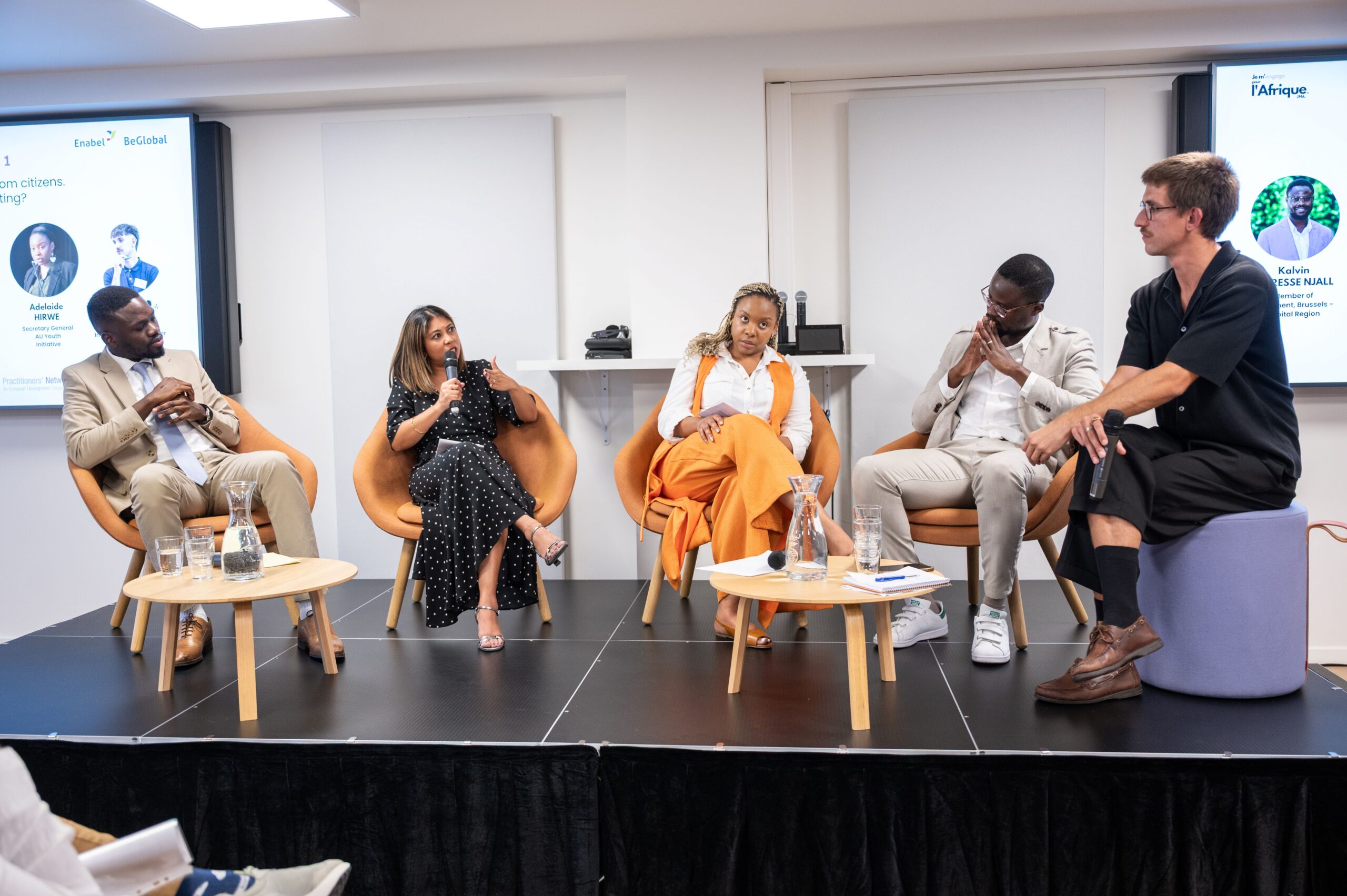
“We have forgotten to talk to citizens”
The discussions started from a clear observation: the credibility and relevance of ‘development cooperation’ is under pressure. Many people see the sector as outdated, too technical and too far removed from their daily lives. Moreover, the idea persists that ‘development cooperation’ mainly amounts to aid coming from one side and not as an equal partnership.
This makes it difficult to convince people of this system. As a result, for many citizens, ‘development cooperation’ remains invisible or seems irrelevant.
Jean Van Wetter, CEO of Enabel, put it this way: “We have forgotten to talk to citizens. As long as this remains a conversation between experts, international cooperation will remain detached from the people.”
A new narrative of shared interests and strategic investment
The speakers agreed: ‘development cooperation’ needs a new narrative. It should no longer be about charity, with some countries offering help and others ‘passively receiving’ it. Instead, it should be about cooperation based on equal partnerships and shared interests.
We must move away from the term “development cooperation,” which perpetuates that old vision. Major global problems such as climate change, conflicts and economic inequality require cross-border cooperation.
National interests and international solidarity do not have to be mutually exclusive. On the contrary, international cooperation should be seen as a strategic investment in our common future. Based on this vision, Enabel recently changed its name to ‘agency for international cooperation‘.
Clear and honest communication about international cooperation
According to various speakers, clear and honest communication about the concrete impacts and results is essential to convince citizens of the relevance and importance of international cooperation. Zunera Rana, a researcher at Radboud University, advocates openness about both the positive and negative and unintended consequences. She warns that ignoring the negative aspects gives the media room to create a one-sided picture. According to her, it is important to acknowledge failures within the system, even if this may be uncomfortable for those involved. This must be done in an understandable way. As David Van Reybrouck put it: “I don’t understand 40% of the jargon used in these kinds of panel discussions.”
Who gets what in return? Also a question of fairness
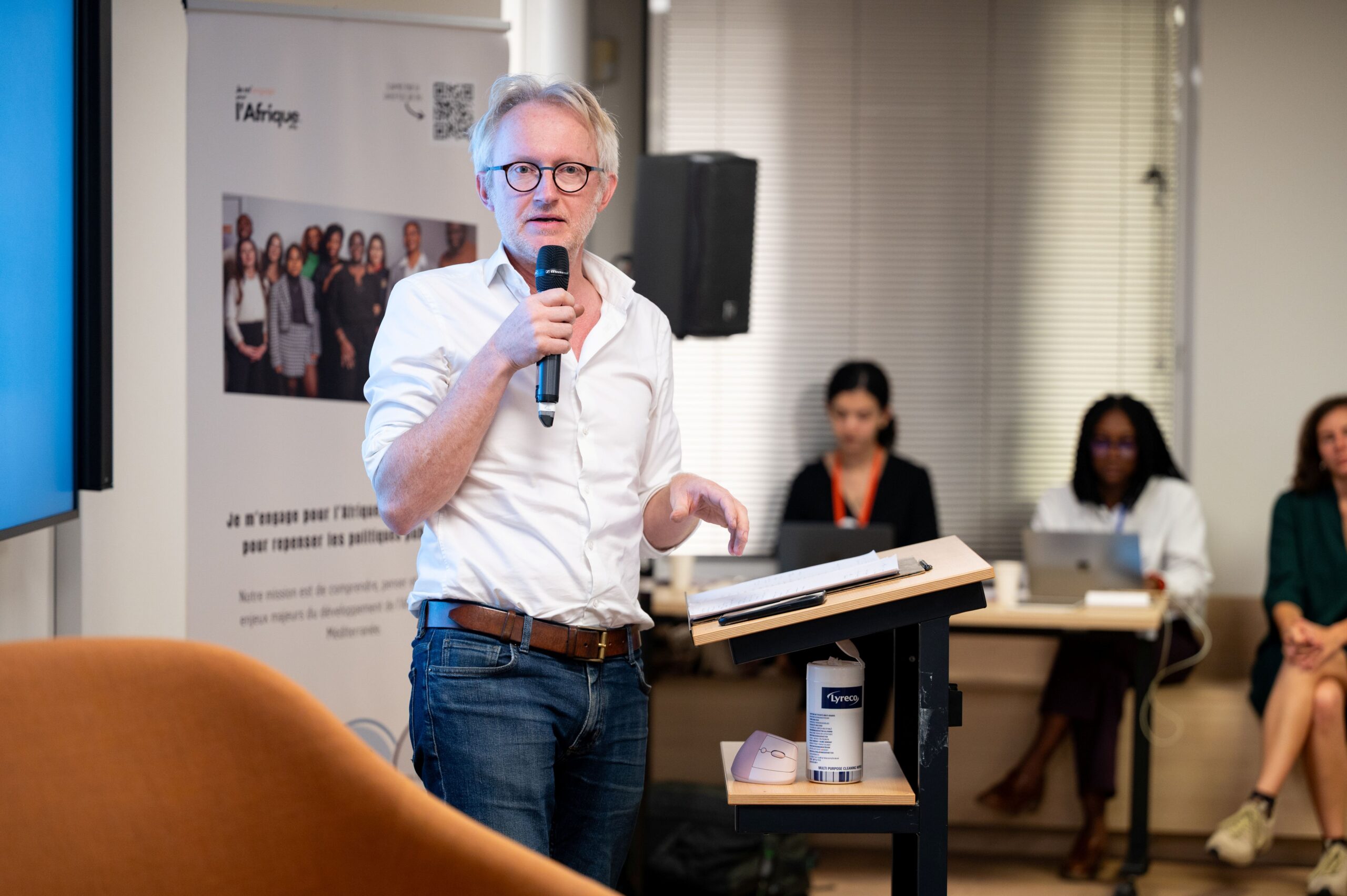
In his keynote speech, David Van Reybrouck also emphasised that international cooperation should be seen as an investment. He spoke about the four dimensions of ‘return on investment’ in economic, social, ecological and political terms. Above all, he asked the crucial additional question: “Who gets what in return?” This question makes us think about who actually benefits from investments in international cooperation.
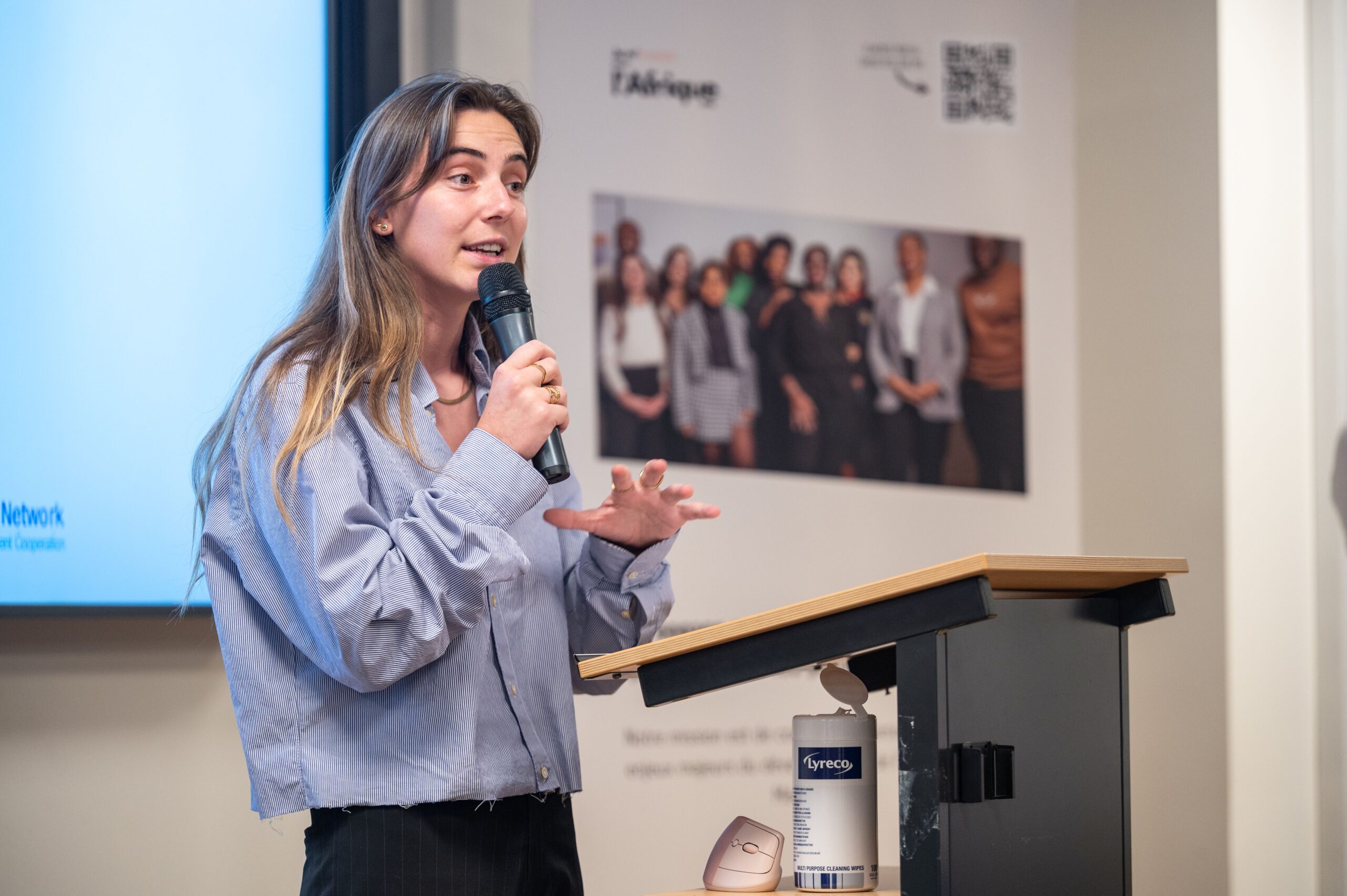
Adélaide Charlier, a Belgian climate and human rights activist, gave a concrete example of this during her inspiring testimony. She demonstrated how climate change is inextricably linked to power relations and a colonial past. She argued that justice, and therefore systems thinking, should be central to the discussion: who causes what, and who bears the consequences? In the context of climate disruption, she believes that this goes beyond cooperation and also involves climate justice and repairing the damage that has been and is being done.
New forms of cooperation: the role of the private sector
As governments are increasingly withdrawing, the evening’s discussions focused on new forms of cooperation. Many speakers emphasised the importance of new and innovative partnerships. The role of the private sector, the diaspora, and young people was particularly highlighted.
Mouctar Bah, founder of the Brussels-Africa Hub, among others, pointed out the importance of private sustainable investments. According to him, they not only play a key role in real systemic change, but also in breaking traditional dependency relationships by promoting sustainable economic growth.
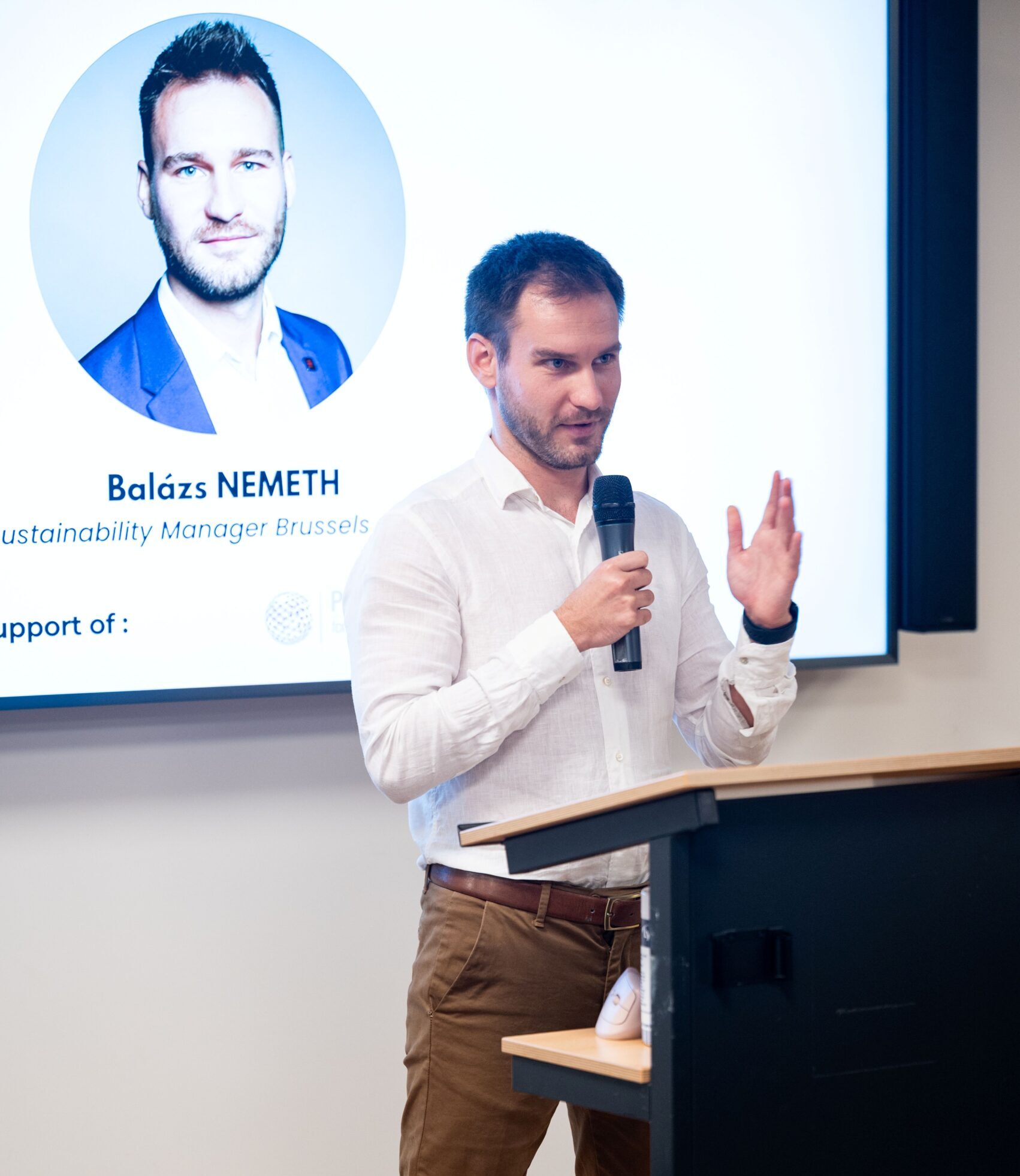
Balázs Németh, sustainability manager at Brussels Airlines, spoke about how he tries to embed sustainability in the activities of the private company, including in collaboration with Enabel. He emphasised that real change is only possible if everyone participates, including the private sector. He also appealed to the young people present at the event: “You don’t just make an impact within NGOs, consider also making an impact outside this bubble, where your influence may be even greater.”
At the same time, a critical question came from the audience: what about the ethical issues that such private-public partnerships entail? This question ties in with David Van Reybrouck’s point: “Who gets what in return?”
The challenge will be to clearly identify everyone’s different interests, draw up clear and transparent guidelines, and stick to one’s own values and principles.
The role of youth and diaspora
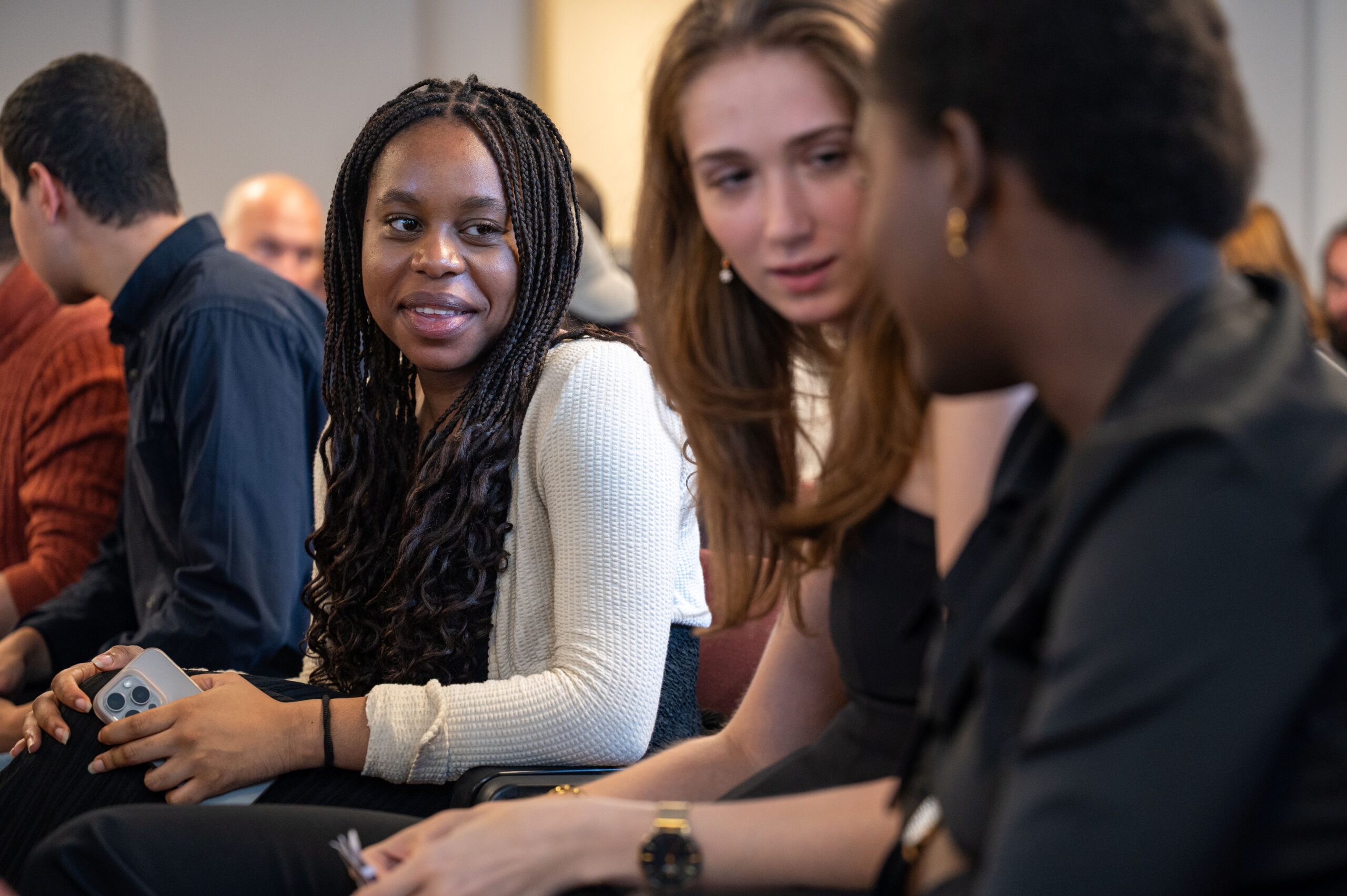
Finally, the role of the diaspora and young people was also discussed. They are also seen as crucial players in the future of international cooperation. For many speakers, such as Ileana Santos, co-founder of Je m’engage pour l’Afrique, it is time to change the traditional view of cooperation. Young people are demanding a new attitude: we must move away from the image of Europe determining how Africa is perceived. Young people want to actively contribute to building a shared future, in which their involvement and ideas are central.
he diaspora plays an important role in this. Not as a spectator, but as an active co-developer of sustainable projects with real impact.
Involving young people and the diaspora in the process creates a more inclusive approach that ensures broader support and greater effectiveness of international cooperation.
Crisis or wake-up call?
At one point during the evening, participants were asked whether the current situation should be considered as a crisis or as a wake-up call. Most participants agreed: it is a wake-up call. As David Van Reybrouck aptly put it: “Perhaps Trump is the best thing that could have happened to us, it liberates us. Let them be the wild west, and we will be the warm west.”
In other words: let this be an opportunity to thoroughly rethink and reshape the sector. It is time to let go of old structures and make room for innovation.
What concrete steps need to be taken now, according to the speakers and the audience?
- There must be clear and honest communication about shared interests, the impact and benefits of international cooperation, with a focus on fairness.
- At the same time, the sector must continue to question itself critically, abandon outdated approaches and logic, and communicate honestly about this.
- Finally, it is important to continue to focus on innovative and inclusive forms of cooperation, with an active role for the private sector, the diaspora and young people.
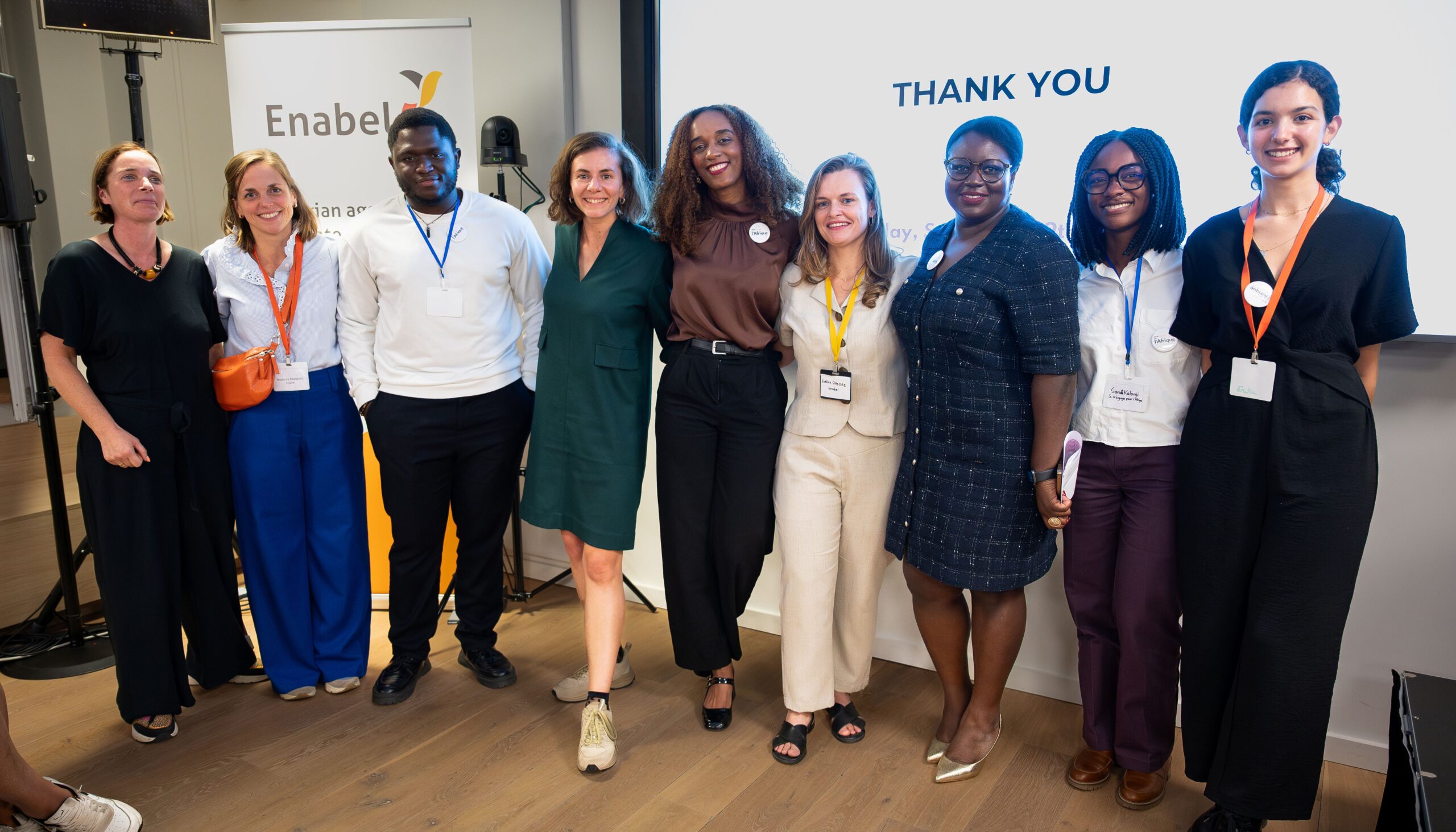
Thanks to all the speakers, the audience, and Enabel & Je m’engage pour l’Afrique staff who were present that evening.
Rewatch the entire debate here
Look back on the debate: